Paramètres
 Livraison rapide
 Livraison gratuite
 Incoterms
 Types de paiement


 Produit marketplace


Tests des connecteurs et leur importance pour la sécurité des utilisateurs et l'utilisation finale
Le test des connecteurs est la phase la plus importante pour garantir la sécurité des connecteurs électriques pour les utilisateurs. La vérification de la conception et de la fabrication responsables est effectuée par des laboratoires de tests accrédités.
Tests et certification
Lors de la phase de test, un connecteur est soumis à des charges dépassant les valeurs nominales. Le connecteur doit également résister à des températures supérieures à celles d'une utilisation normale. Les connecteurs à sertir sont en outre soumis à des tests de résistance à la traction. La phase de test qui précède la certification est essentielle pour la sécurité et la fiabilité des produits.
Avant les tests chez Ouneva, nous simulons les différentes forces mécaniques auxquelles les connecteurs doivent résister. Avec nos connecteurs universels OTL, nous simulons l'effet de tension et d'étirement sur le corps du connecteur, dû aux forces créées par le serrage des vis du connecteur. La phase de simulation rend le développement de nos produits plus fluide et plus efficace, et nous pouvons vérifier la fonctionnalité du connecteur avant même de le tester. Cela réduit les mauvaises surprises dans le laboratoire de test.
 Figure 1 : Modèles de test de connecteurs. (Source de l'image : Ouneva)
Les tests des connecteurs fabriqués par Ouneva sont effectués dans des laboratoires accrédités conformément aux normes de test. Les tests sont divisés en plusieurs parties, dont des tests mécaniques et électriques. Lors des tests électriques, de nombreux paramètres sont mesurés dans le produit, et les résultats vérifient la sécurité électrique et la qualité du produit.
 Figure 2 : Résultats des tests de court-circuit sur les connecteurs. (Source de l'image : Ouneva)
Dans la Figure 2, les connecteurs ont montré une légère réaction aux événements de court-circuit dans le cycle 200, mais la variation est négligeable en raison de l'écart minimal. Les connecteurs ont réussi le test.
 Figure 3 : Résultats de tests de courts-circuits supplémentaires sur les connecteurs. (Source de l'image : Ouneva)
La Figure 3 ne montre aucune variation de température après les événements de court-circuit. Les connecteurs ont réussi le test.
Seuls les connecteurs sûrs et de haute qualité réussissent les tests définis par les normes. Une fois la phase de test approuvée, le laboratoire établit un rapport de test et un certificat, dont la validité et l'équivalence sont contrôlées par le laboratoire.
La gamme de connecteurs universels OTL, par exemple, est testée selon les normes suivantes :
- EN 61238-1:2003 classe A
- EN 60947-7-1:2009
- EN 60947-7-2:2009
- UL 1059, CAN/CSA C22.2 n°158-10, blocs de jonction.
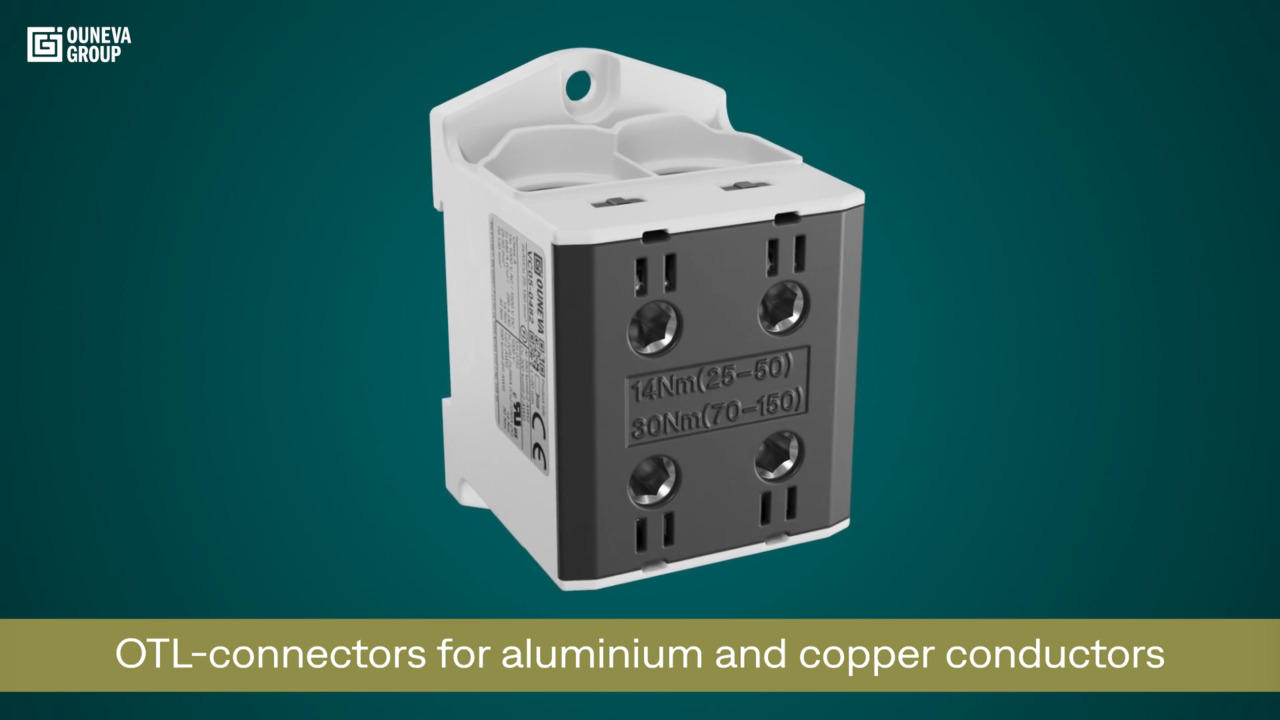
Les connecteurs universels OTL sont certifiés pour une utilisation avec des conducteurs en cuivre et en aluminium. L'utilisation de conducteurs en aluminium s'est considérablement développée au fil des ans. Les connecteurs universels OTL conviennent donc à un large éventail d'applications, tout en garantissant une sécurité optimale.
Différence entre un connecteur de classe A et un connecteur de classe B
Les connecteurs peuvent être classés en deux catégories, A et B. La différence entre les deux est que les connecteurs de classe A sont également testés pour les courts-circuits. Cela signifie que les connecteurs de classe A ont un champ d'application beaucoup plus étendu que les connecteurs de classe B. Les connecteurs de classe A sont également plus rentables car, grâce au test de court-circuit, ils ne nécessitent pas de disjoncteurs rapides séparés, qui sont souvent coûteux à l'achat et à l'installation.
Autres aspects de sécurité à prendre en compte lors du choix d'un connecteur
Le choix des matériaux doit être pris en compte dès la phase de conception. Le choix des matériaux appropriés a une incidence sur le prix, la qualité et la recyclabilité du produit final. Il a également un impact significatif sur la sécurité du produit, en particulier la protection contre les incendies.
La gamme de connecteurs universels OTL est fabriquée à partir de matériaux plastiques dont l'indice de résistance au feu répond aux exigences de la norme de test UL 94 V-0. Les matériaux classés V-0 n'attisent pas le feu et sont auto-extinguibles. Les matériaux classés sont testés par UL et un certificat de matériau, la « carte jaune », peut être consulté. Le classement de résistance au feu est obtenu sans halogènes, ce qui signifie que les matériaux de la gamme de connecteurs universels OTL sont totalement exempts d'halogènes.
 Source : https://www.ul.com/services/combustion-fire-tests-plastics
Résumé
Lors du choix d'un connecteur électrique, il convient de prêter attention à la certification du produit. Nous recommandons vivement de choisir un connecteur de classe A pour garantir la sécurité du connecteur. La gamme de connecteurs universels OTL est composée de produits de haute qualité, testés et certifiés, qui vous offrent les meilleures propriétés d'installation et d'utilisation. Pour les utilisateurs qui veulent être sûrs de choisir un produit garantissant la qualité et la sécurité, voici un lien vers la liste des fabricants certifiés par SGS :
https://www.sgs.com/en-fi/certified-clients-and-products/certified-client-directory
Solutions durables pour l'avenir
À propos de l'auteur

Ouneva is a leading Finnish manufacturer for the electrical industry. We deliver connector products to international customers all over the world. In the Nordic countries and Europe, you can find our products from most of the major electrical supply wholesalers’ selection. In addition to connector products, you will find grounding equipment, cable terminals and accessories, enclosure accessories, and overhead line accessories from our broad product selection.

Have questions or comments? Continue the conversation on TechForum, DigiKey's online community and technical resource.
Visit TechForumPlus de blogs de cet auteur